Dossier No. 16 · Newfoundland, 18th c.
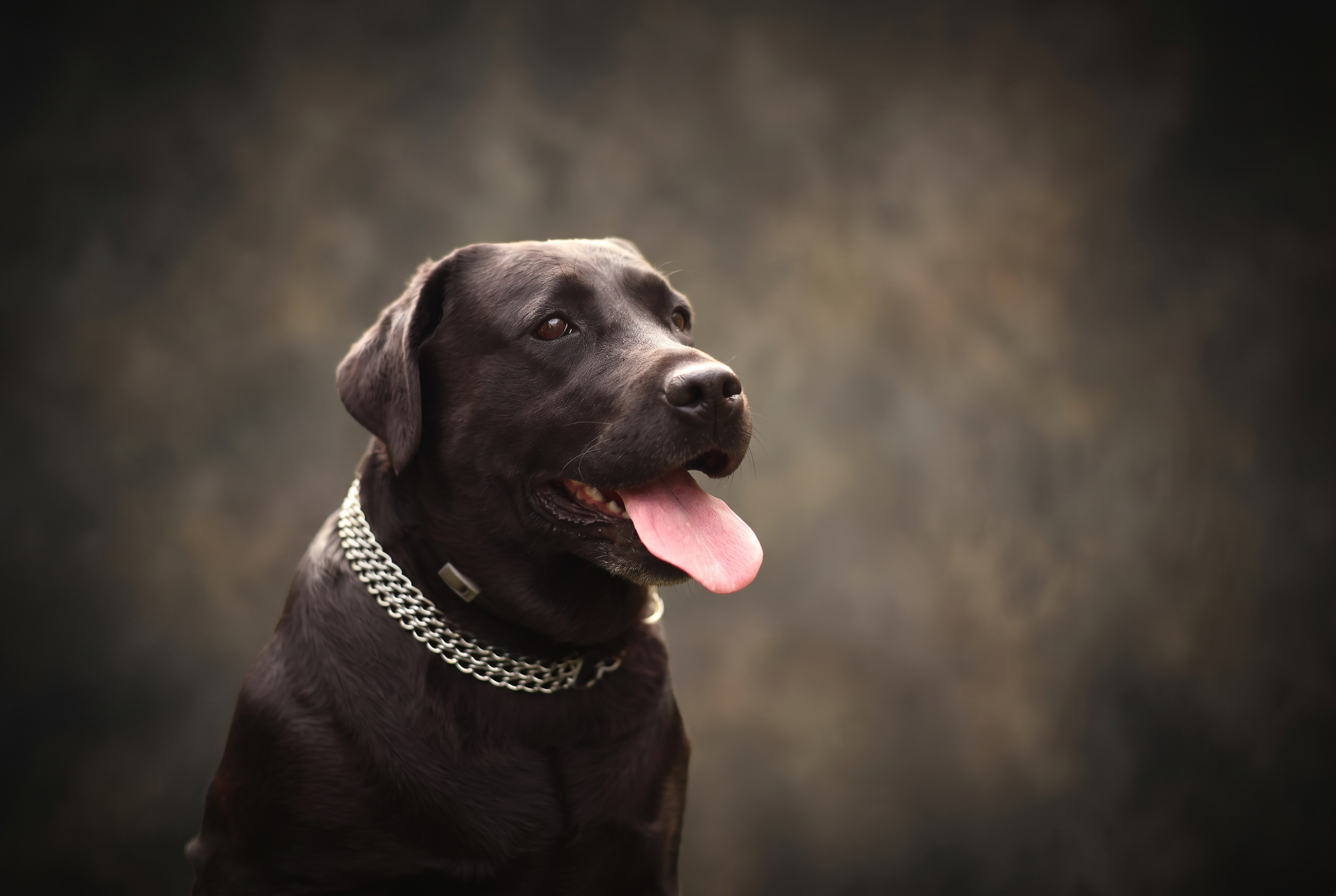
Labrador Retriever
Lake houses, sporting estates, and families of every shape.
- Stature
- Large
- Coat
- Dense — yellow, black, chocolate
- Temperament
- Even, eager, endlessly amiable
- Origin
- Newfoundland, 18th c.
I
History
Newfoundland fishermen bred the St. John's water dog to retrieve nets and cod from the icy North Atlantic; English aristocrats refined the line in the early 19th century into the Labrador Retriever. It was the most popular breed in the English-speaking world for the better part of a century — and for good reason.
II
Personality
Even-tempered, eager, and endlessly amiable. They are the dog you trust around your children, your guests, and the contents of the kitchen counter (with reservations on the third). Trainable, biddable, and irrepressibly cheerful.
III
To Live With One
Lake houses, sporting estates, suburban gardens, and families of every configuration. They require daily exercise — preferably involving water and a retrieve — and a generous food budget. They give back more than they take. A note on colour: we place black, yellow, and chocolate Labradors only. We do not match the fox-red variant or the silver variant; the colours have been over-selected in recent years at the expense of structure and temperament, and they sit outside the standard our breeders work to.
IV
Notable Companions
The Duke and Duchess of Edinburgh keep labradors at Bagshot Hall. Bill Clinton's Buddy was a fixture of the 1990s West Wing. Ernest Hemingway, who rarely wrote of anything he did not know intimately, placed them in his stories. It is the breed of presidents, princes, and pragmatic novelists.