Dossier No. 19 · China, antiquity (imperial companion of emperors)
Pug
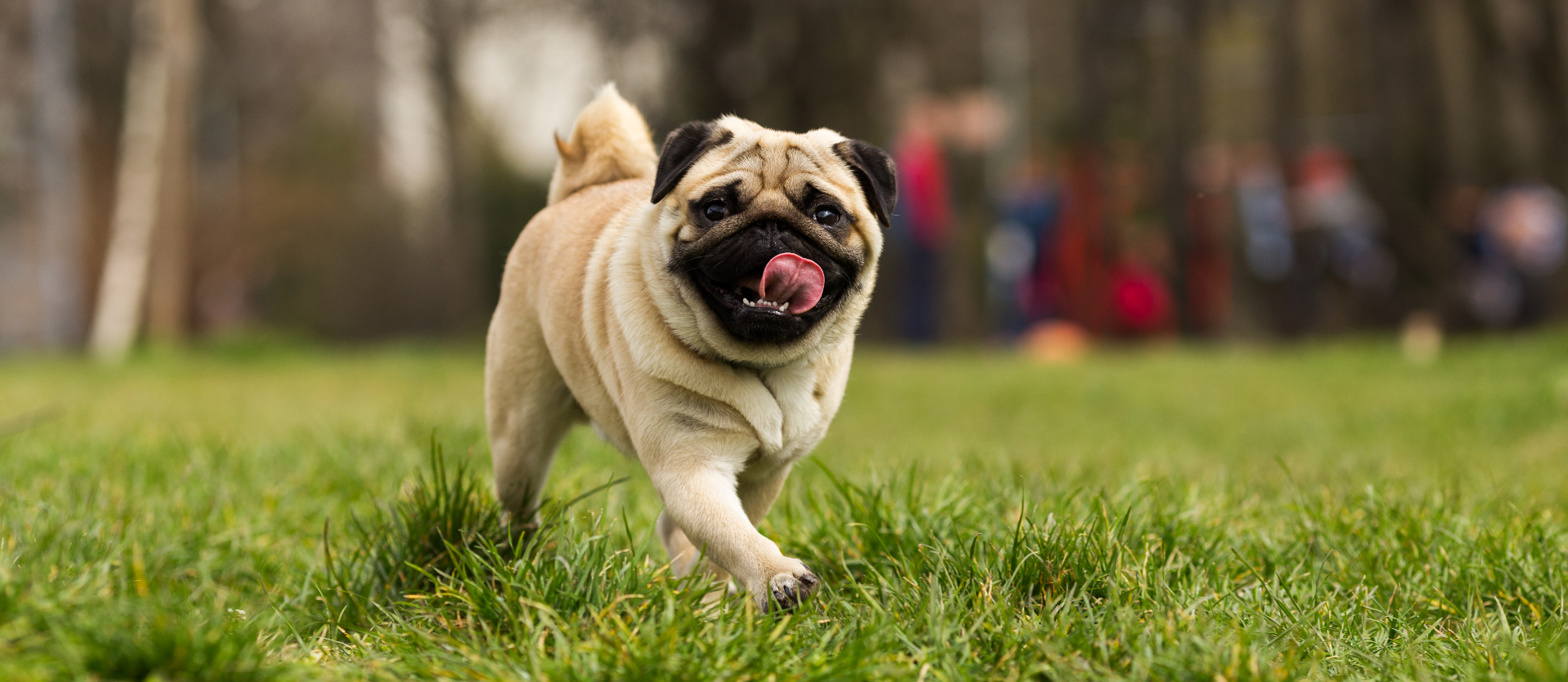
Refined apartments and devoted households who treasure a comedic, affectionate companion.
- Stature
- Petite
- Coat
- Short, sleek — fawn, black, or apricot
- Temperament
- Charming, comedic, devotedly affectionate
- Origin
- China, antiquity (imperial companion of emperors)
I
History
Bred as the privileged companions of Chinese emperors as early as the Han Dynasty, the Pug was a temple dog, a lap-warmer, and a status symbol of the imperial court. Dutch traders carried them to Europe in the 16th century, where they became the official dog of the House of Orange and, later, the darlings of Victorian England — immortalised by Hogarth, owned by Queen Victoria, and beloved by every salon that valued comedy in a compact frame.
II
Personality
Charming, comedic, and devotedly affectionate. They possess a dignity that far exceeds their size and a stubbornness that requires negotiation rather than command. They speak in snorts, grunts, and sighs — a private vocabulary for their chosen person — and they will follow that person from room to room with unwavering, velcro-like fidelity.
III
To Live With One
Refined apartments, townhouses, and any household that regards the sofa as shared territory. They require little exercise, cannot tolerate heat, and snore with operatic commitment. In return they offer a warm, comic, and utterly devoted presence that turns even the smallest home into a court.
IV
Notable Companions
William the Silent, Prince of Orange, kept a Pug that famously warned him of approaching assassins. Josephine Bonaparte had one at Malmaison before Napoleon. Queen Victoria bred them obsessively and helped establish the modern standard. In our own era they have graced the households of Valentino, Andy Warhol, and a long succession of designers who appreciate the breed's combination of tragedy and farce.